
Local regulations govern riverfront activities through temporary operating permits for events and structures to ensure safety, environmental protection, and responsible use. These permits, managed by bodies like California's DMV, cover zoning, waste management, and access restrictions. Obtaining them before operations near rivers is crucial, especially for salvage or recycling, streamlining processes like junk car paperwork while adhering to environmental standards. Each jurisdiction has unique rules, requiring thorough research for compliance.
Discovering the local regulations for riverfront access is crucial before you plan any activities along riversides. This guide breaks down the essential steps, focusing on temporary operating permits and legal requirements for riverside operations. Understanding local governance structures empowers you to navigate these regulations safely and responsibly. Whether you’re a boater, fisherman, or simply enjoying a walk, knowing your rights and responsibilities is key. Dive into this comprehensive overview of temporary operating permits and explore the legal framework governing activities near our precious waterways.
- Understanding Local Governance for Riverfronts
- Temporary Permits: Who Needs One and Why
- Riverside Operations: Legal Requirements Review
- Navigating Regulations for Safe River Access
Understanding Local Governance for Riverfronts

Understanding Local Governance for Riverfronts
When it comes to riverfront management, local regulations play a pivotal role in ensuring safety, environmental protection, and responsible use of these valuable spaces. In many areas, operating along rivers requires specific permits, especially for temporary activities or structures. For instance, obtaining a temporary operating permit for a riverside event or construction site is essential to comply with local laws. These permits ensure that any activity doesn’t significantly damage the riverfront or cause environmental harm.
Riverfront regulations often cater to various aspects, including zoning, building codes, and waste management. It’s crucial to check with the local authority or department of transportation to comprehend the rules governing these areas. For example, if a property owner wants to establish a riverside business, they must adhere to specific guidelines for access, parking, and signage. Moreover, disposing of or salvaging vehicles that have been deemed a total loss due to flood damage or lack a valid title requires adherence to local recycling or disposal laws, such as registering a junk car easily with Quick Auto Tags.
Temporary Permits: Who Needs One and Why
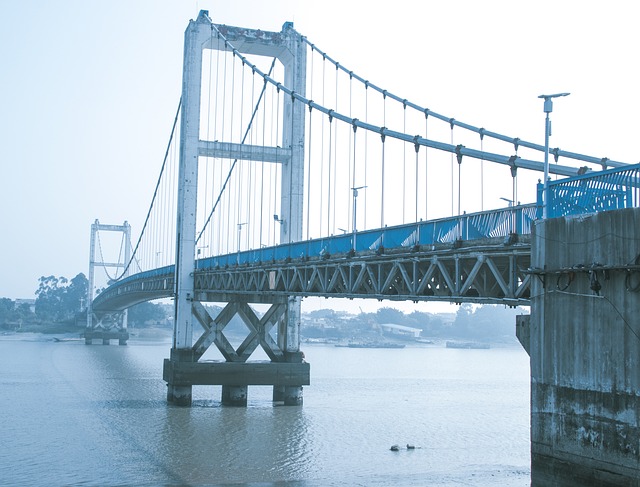
In many jurisdictions, activities conducted along riverfronts are subject to regulations aimed at preserving natural resources and ensuring public safety. One such regulatory mechanism is the requirement for temporary operating permits. These permits are crucial for individuals or entities planning events, installations, or structures that will temporarily occupy riverfront areas. Whether it’s a pop-up market, a seasonal boardwalk, or a temporary art exhibition, obtaining this permit is essential to avoid legal repercussions and ensure compliance with local environmental and safety standards.
The need for such permits arises from the unique characteristics of riverfront properties. These areas are often ecologically sensitive, home to diverse wildlife, and susceptible to changing water levels and weather conditions. Moreover, temporary structures can pose risks to navigation, water quality, and the overall integrity of the river ecosystem. Therefore, local regulatory bodies issue these permits to monitor and manage activities that temporarily alter riverfront landscapes, whether they are sold at auction following a public works project or significantly damaged and deemed a total loss. A licensed tag and title agency, like Quick Auto Tags assisting with DMV salvage title processing, can play a role in facilitating these transactions and ensuring proper documentation for temporary operating permits.
Riverside Operations: Legal Requirements Review

Before embarking on any operations along the riverfront, it’s crucial to understand and adhere to local regulations. One key aspect is obtaining the necessary permits for riverside activities, particularly when involving temporary structures or potential impact on water bodies. Many jurisdictions require a Temporary Operating Permit for such activities, ensuring compliance with environmental and safety standards. These permits are designed to manage and mitigate any potential harm caused by operations near rivers.
In California, for instance, the authorized entity, such as the California DMV, oversees the issuance of permits. Activities like part salvage or recycling purposes that occur on riverfront properties must be declared salvage and comply with state regulations. Streamlining processes like Hassle-free junk car paperwork by Quick Auto Tags can help business owners navigate these requirements efficiently, allowing them to focus on their primary objectives while ensuring they remain within legal boundaries.
Navigating Regulations for Safe River Access

Navigating local regulations for riverfront access requires understanding and adhering to specific rules designed to ensure safety and conservation. Before launching any activities on riverside property, it’s crucial to obtain a temporary operating permit. These permits often dictate permitted uses, set boundaries, and outline environmental protection measures. Each jurisdiction may have unique requirements, so it’s essential to research the specific regulations in your area.
One common challenge that riverfront landowners or users might face is navigating the process of re-titling salvaged or junked vehicles. If a vehicle is significantly damaged or deemed a total loss, proper disposal and documentation become critical. Fortunately, services like Re-register a junk vehicle with Quick Auto Tags can assist in this aspect, ensuring compliance with environmental regulations related to abandoned vehicles.
When planning activities along riverfronts, understanding local regulations is paramount. From obtaining temporary operating permits for riverside events to adhering to legal requirements for safe access, knowledge of these rules ensures compliance and promotes a positive experience for all. Always check with the relevant authorities to ensure you’re navigating the regulations effectively, thus fostering a harmonious relationship between community, nature, and riverfront operations.