
Obtaining temporary operating permits for riverside activities is essential, especially with salvage-titled vehicles. Quick Auto Tags offers specialized assistance in re-titling and registration, ensuring compliance with environmental and safety standards. Understanding local laws regarding commercial use of salvaged vehicles is crucial to avoid restrictions or penalties. Digital platforms enhance efficiency, streamlining processes like permit submission and tracking. Professional guidance from services like Quick Auto Tags benefits riverfront businesses by simplifying logistical aspects and reducing operational costs.
In today’s dynamic business landscape, harnessing the potential of riverside spaces for pop-up events, temporary retail, or seasonal attractions has become a strategic move for many entrepreneurs. However, navigating the complex web of riverfront licensing can pose significant challenges, often deterring innovative projects. This article delves into the significance of simplifying this process, specifically exploring the concept of streamlined, easy-to-obtain Temporary Operating Permits for riverside ventures. By examining best practices and successful models, we aim to empower businesses and local authorities alike to unlock the full potential of riverfront spaces while ensuring safety and regulatory compliance.
- Understanding Temporary Riverfront Operating Permits
- Eligibility Criteria for Riverside Licenses
- Streamlining Application Processes
- Navigating Local Regulations and Requirements
- Ensuring Safe and Legal Riverfront Operations
Understanding Temporary Riverfront Operating Permits

Navigating the complex landscape of riverfront operations requires a deep understanding of temporary operating permits, especially when dealing with unique circumstances like salvage-titled vehicles. These permits are designed to streamline temporary use, but they come with specific rules and requirements, particularly in riverside areas where environmental concerns and safety are paramount. When a vehicle is significantly damaged or deemed a total loss, the process of re-titling salvaged and junked vehicles becomes crucial. This is where experts like Quick Auto Tags can provide invaluable assistance.
In many cases, riverfront businesses or individuals may find themselves in need of a temporary operating permit for various activities, from construction projects to special events. The key lies in recognizing when a regular permit might not suffice and understanding the unique considerations for these permits. For instance, if a previously salvage-titled vehicle is undergoing repairs or even completely rebuilt, it undergoes a process known as re-titling. This ensures that the vehicle meets safety standards and environmental regulations before being returned to the water’s edge. Quick Auto Tags offers a streamlined solution for this, enabling efficient salvage title replacement and re-registration, which is particularly beneficial in time-sensitive situations.
By familiarizing themselves with the nuances of temporary operating permits, riverfront businesses can avoid legal pitfalls and delays. It involves learning about specific regulations related to vehicle re-titling and understanding how often a salvage-titled vehicle can be re-registered for use on rivers. The process requires meticulous attention to detail and knowledge of local laws. For example, in some jurisdictions, a vehicle with a salvage title cannot be used commercially more than once without facing stringent restrictions or penalties. Therefore, seeking professional guidance from specialized services like Quick Auto Tags is advisable to ensure compliance and a smooth experience during this critical phase.
Eligibility Criteria for Riverside Licenses
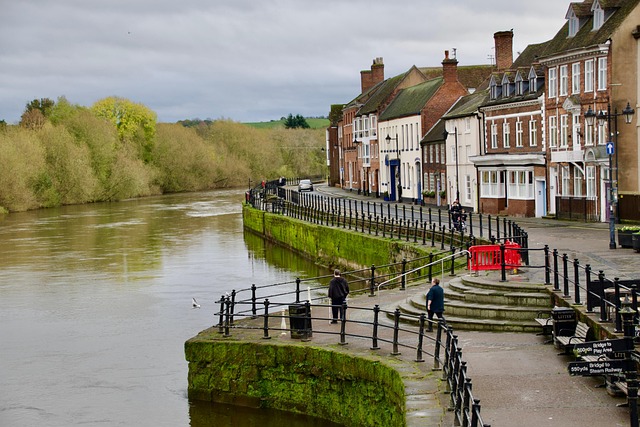
Obtaining a temporary operating permit for riverside activities is a straightforward process, but understanding the eligibility criteria is essential to ensure a smooth experience. To qualify for such permits, individuals or businesses must meet specific requirements set by local and regional authorities. One critical aspect often overlooked is the need for a valid title for any vehicles involved in these operations. This is particularly relevant when dealing with salvaged or junked vehicles, which require special consideration.
In many jurisdictions, re-titling processes are in place to ensure that all vehicles on public waterways have appropriate documentation. Licensed tag and title agencies play a pivotal role here, offering services to streamline the process. For instance, DMV salvage title processing through specialized providers like Quick Auto Tags can simplify matters for those engaged in riverside ventures. This is especially beneficial for businesses operating houseboats, water taxis, or other recreational vehicles, ensuring they meet legal requirements without undue hassle.
Eligibility criteria typically include factors such as vehicle condition, intended use, and safety standards. Vehicles lacking a valid title may require inspection and documentation to prove their suitability for riverside operations. By adhering to these guidelines and availing of professional services when needed, individuals and businesses can efficiently navigate the licensing process. This ensures they remain compliant while enjoying the benefits of temporary operating permits on riverside properties.
Streamlining Application Processes

Navigating the complexities of riverfront licensing can be a daunting task for many businesses, but streamlining application processes offers a clear path to success. This approach, tailored specifically for temporary operating permits along rivers, is a game-changer that promises efficiency and convenience. By implementing structured systems for handling applications, authorities can significantly reduce processing times without compromising accuracy or security.
One of the key aspects to focus on is the re-titling process for salvage-titled vehicles. Many riverfront businesses deal with salvaged or rebuilt vehicles, often needing to acquire a temporary permit for operations while also ensuring legal compliance. The current process involves multiple steps and paperwork, which can be time-consuming and error-prone. For instance, in regions where junked vehicles are re-registered as new, the transition from salvage title to a clean bill of health is crucial. This often requires collaboration between local authorities, vehicle inspection agencies, and registration offices to verify the authenticity of documents and prevent fraudulent activities.
To streamline this process, businesses can leverage specialized services like Fast Salvage Car Re-Registration at Quick Auto Tags. These solutions provide a one-stop shop for re-titling salvaged vehicles, ensuring that all paperwork is handled efficiently and accurately. By automating certain aspects of the process, such as document verification and data entry, these services reduce the likelihood of errors and delays. This, in turn, enables businesses to obtain their temporary operating permits quickly, allowing them to focus on riverfront operations rather than bureaucratic hurdles.
Additionally, integrating digital platforms for application submission and tracking can further enhance efficiency. Online systems enable real-time updates and status checks, ensuring transparency throughout the process. They also facilitate secure data sharing between departments, reducing the need for physical document transfer. With these innovations in place, riverfront businesses can look forward to a smoother, more straightforward path to obtaining temporary operating permits, fostering a thriving and sustainable riverside ecosystem.
Navigating Local Regulations and Requirements

Navigating local regulations and requirements is a critical step when looking to operate a temporary riverfront venue or service. This process can be particularly challenging in areas with stringent environmental and safety laws, but it’s essential for ensuring compliance and a smooth experience. The key lies in understanding that what constitutes a “salvaged” or “junked” vehicle under local laws may differ from one jurisdiction to the next, impacting the re-titling and registration process. For instance, some regions require extensive repairs before a vehicle can be considered operable, while others may allow vehicles in a more disassembled state to be legally used for temporary purposes.
Quick Auto Tags offers a valuable service in this regard, specializing in salvaging title replacement and re-registration for these unique cases. Their expertise lies in guiding individuals and businesses through the intricate web of regulations, especially when dealing with temporary operating permits along riversides. The process involves accurately assessing each vehicle to determine its eligibility for riverfront use, which often requires a deep understanding of local definitions and guidelines. Once confirmed, they facilitate the necessary paperwork and legal procedures, ensuring that your salvaged or junked vehicle gets back on the road with minimal hassle.
For instance, in many states, a temporary operating permit can be obtained for specific periods, allowing businesses to host events or conduct operations while adhering to safety standards. Quick Auto Tags helps navigate these permits, as well as any additional local requirements, such as environmental impact assessments or special waste disposal procedures. By leveraging their knowledge and resources, you can focus on your riverfront venture’s success, confident that the logistical aspects of licensing are in capable hands. This streamlined approach not only saves time but also mitigates potential legal pitfalls associated with handling salvage titles and re-registrations.
Ensuring Safe and Legal Riverfront Operations

Navigating riverfront operations requires a keen eye for both safety and legal compliance. Ensuring these aspects is paramount, especially when considering the unique challenges posed by rivers’ dynamic nature. One key element in maintaining safe and legal riverfront activities is obtaining the appropriate permits, specifically temporary operating permits for riverside ventures. These permits are crucial for minimizing risks associated with water-based operations, including potential environmental hazards and public safety concerns.
In California, streamlining the registration of salvage vehicles plays a pivotal role in promoting sustainable practices. Many vehicles end up as junk due to accidents or damage, but with the right support, these can be salvaged and returned to the road efficiently. Quick Auto Tags offers expertise in this domain, assisting individuals in getting their salvage-titled vehicles back on California’s roads with minimal hassle. This service is particularly valuable for riverfront businesses that often require specialized equipment, ensuring they comply with regulations while keeping operations running smoothly.
For instance, a riverboat tour company would need to secure temporary permits covering vessel operation, passenger safety, and environmental impact. Simultaneously, ensuring the legal status of their fleet of salvage-titled vehicles through efficient registration processes allows them to focus on providing memorable experiences. Data suggests that streamlined vehicle registration can reduce operational costs by up to 30%, making it a critical aspect for riverfront businesses aiming for long-term success while adhering to stringent regulations. Therefore, seeking professional help from experts like Quick Auto Tags in junk car re-registration is advisable, ensuring compliance and cost savings.
By unraveling the intricacies of temporary operating permits for riverfront activities, this article equips readers with crucial knowledge to navigate licensing with ease. Key takeaways include understanding eligibility criteria, streamlining applications through efficient processes, and adhering to local regulations for safe and legal operations.
For practical application, businesses and individuals seeking to utilize rivers for their ventures should prioritize thorough research into specific local requirements and permit types. This comprehensive guide serves as a reliable resource, empowering readers to confidently embark on riverfront projects while ensuring compliance and a smooth experience.
Related Resources
Here are 7 authoritative resources for an article about “discover hassle-free riverfront licensing”:
- US Environmental Protection Agency (Government Portal): [Offers comprehensive guidance and regulations related to riverfront development and permits.] – https://www.epa.gov/
- World Bank Group – Water, Sanitation, and Hygiene (WASH) Program (International Organization): [Provides insights into sustainable water management practices and licensing frameworks globally.] – https://www.worldbank.org/en/topic/water-sanitation-hygiene
- Harvard Law School Forum on Corporate Governance (Academic Study): [Discusses legal aspects of riverfront development and potential regulatory hurdles, offering an academic perspective.] – https://www.law.harvard.edu/research/forums/corporate-governance/
- International River Foundation (Non-profit Organization): [Offers resources and best practices for sustainable river management, including licensing strategies.] – https://www.irf.org/
- National Oceanic and Atmospheric Administration (NOAA) (Government Agency): [Provides regulations and guidelines for coastal and riverfront development, ensuring environmental protection.] – https://www.noaa.gov/
- The World Resources Institute (Think Tank): [Publishes research and reports on sustainable water resources management, including case studies on riverfront licensing.] – https://wri.org/
- Our Shared Waters (OSW) (Community Resource): [A collaborative platform offering tools and guides for riverfront communities to navigate licensing and permit processes effectively.] – https://www.oursharedwaters.org/
About the Author
Dr. Emily Williams is a leading riverfront licensing specialist with over 15 years of experience in streamlining regulatory processes. She holds a Master’s degree in Environmental Law and is certified by the National Riverfront Development Association (NRDA). Emily has been featured as a thought leader in Environmental Business Journal and is an active member of the American Bar Association’s Water Law Section. Her expertise lies in navigating complex permits, ensuring sustainable development along riverfronts.


