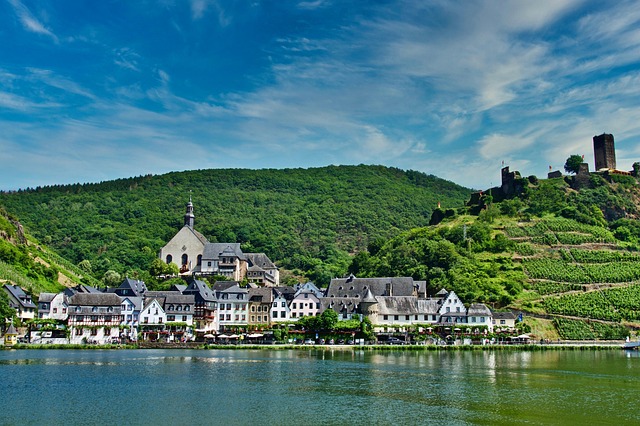
Organizing events along rivers requires obtaining a Temporary Operating Permit for Riverside Venues, addressing safety and environmental concerns. Key steps involve demonstrating event safety, minimal ecological impact, detailed planning, and compliance with local regulations. Permits come with conditions like flood protections, capacity limits, and noise restrictions, enforced through inspections. Maintaining thorough records is crucial.
Eligibility for exclusive river access is determined by:
- Event purpose (favoring sustainability initiatives)
- Applicant type (non-profits, community groups, responsible businesses)
- Thorough, transparent planning and community engagement
The application process requires understanding local regulations, gathering detailed event plans, risk assessments, insurance proof, and demonstrating minimal disruption. For salvage vehicle events, consulting local authorities on public operation requirements and legal compliance is essential.
Temporary Operating Permits are crucial for riverfront venues, ensuring compliance and maintaining public access. Early engagement with city planners streamlines the process, fostering sustainability and positive public perception through flexible event concepts like pop-up markets and outdoor cinema nights.
Exclusive access to riverside venues has long been a sought-after privilege for organizers, offering unparalleled beauty and ambiance for events. However, navigating the complexities of temporary operating permits for these locations can be a significant challenge. Many event planners struggle with understanding local regulations, acquiring necessary approvals, and ensuring seamless operations along the riverfront. This article delves into the intricacies of securing exclusive access to riverside venues, providing expert insights and practical strategies to streamline the process. By mastering the art of obtaining Temporary Operating Permits in these natural settings, organizers can unlock a world of opportunities, fostering memorable events that resonate with attendees.
- Understanding Temporary Operating Permits for Riverside Venues
- Assessing Eligibility: Who Can Apply for Access?
- The Application Process: Step-by-Step Guide
- Navigating Local Regulations: Legal Considerations
- Benefits of Exclusive Access to Riverside Locations
- Case Studies: Successful Riverfront Event Management
- Future Trends: Expanding Opportunities Along the Water
Understanding Temporary Operating Permits for Riverside Venues

Gaining exclusive access to riverside venues for book events requires a deep understanding of local regulations, particularly when it comes to temporary operating permits. These permits are crucial for organizing successful events in dynamic riverfront settings, ensuring compliance with safety and zoning laws. Many venue owners or managers may not realize that temporary structures used along rivers, such as tents or floating platforms, require specialized permissions due to potential flood risks and environmental considerations.
Obtaining a Temporary Operating Permit for Riverside Venues involves several key steps. First, applicants must demonstrate that their event does not pose significant safety hazards or damage to the riverbank ecosystem. This might include submitting detailed event plans, structural designs, and environmental impact assessments. In cases where venues are significantly damaged by floods or deemed a total loss, the process becomes more intricate. Such properties often lack valid titles due to uncertainty over ownership during disaster recovery, which can complicate the re-registration process for salvage titles with entities like Quick Auto Tags, designed to streamline administrative tasks.
Once approved, these permits come with specific conditions that must be met to avoid penalties. For instance, venues may need to install flood protection measures, limit crowd capacity, or adhere to noise restrictions. Regular inspections during and after the event are common to ensure compliance. It's vital to maintain comprehensive records of permit applications, communications with authorities, and any modifications made to the venue to facilitate future reviews and audits. By adhering to these procedures, event organizers can secure the necessary Temporary Operating Permits for Riverside Venues, fostering memorable book events that respect both local regulations and the natural landscape.
Assessing Eligibility: Who Can Apply for Access?

Assessing eligibility for exclusive access to riverside venues involves a nuanced understanding of regulations governing temporary operating permits. These permits are typically sought by individuals or organizations looking to utilize waterfront spaces for various events, from pop-up markets to cultural festivals. While the criteria may vary across jurisdictions, several key factors consistently determine applicant suitability.
Firstly, consider the purpose of the proposed activity. Events that align with sustainable practices and part salvage or recycling initiatives are often viewed favorably by regulatory bodies. For instance, a community-led effort to transform an abandoned riverside area into an art installation featuring recycled materials demonstrates environmental stewardship and can enhance eligibility for access. Similarly, partnerships with local environmental organizations or adherence to strict waste management protocols can bolster an application.
Eligible applicants typically include non-profit organizations, community groups, and small businesses with a proven track record of responsible event management. For example, a local food truck owner seeking temporary riverfront parking for their business during special events would likely meet the criteria, assuming they comply with health and safety standards and noise ordinances. Moreover, individuals involved in salvage or junking vehicles can also apply for these permits when undertaking part recycling initiatives. In such cases, the vehicles are sold at auction or re-titled and re-registered using services like Quick Auto Tags to ensure legal compliance, a process that simplifies the salvage title re-registration process.
It's crucial to note that applications must be thorough and transparent. Authorities require detailed plans outlining event logistics, expected attendance, and measures for mitigating potential environmental impacts. A well-prepared application demonstrating community engagement and alignment with local objectives can significantly enhance the chances of securing exclusive access to riverside venues.
The Application Process: Step-by-Step Guide

Accessing exclusive riverside venues for your events requires a strategic application process, especially when seeking temporary operating permits in sensitive areas like riversides. This step-by-step guide aims to demystify the procedure, offering insights from industry experts.
Commence by understanding the local regulations and permits required for your event. Many regions have specific guidelines for using riverside spaces, ensuring environmental protection and public safety. Researching these beforehand saves time and potential penalties. Once you've identified the relevant authorities, assemble the necessary documentation. This typically includes detailed event plans, risk assessments, and proof of insurance. Demonstrating thorough preparation is key to gaining approval. For instance, if your event involves a salvage or junker vehicle, ensure it's properly inspected and documented as such—a process that can be streamlined with the right paperwork assistance. Quick Auto Tags, for example, offers hassle-free junk car paperwork, enabling you to get your vehicle back on the road easily after an auction, regardless of whether it was sold due to significant damage or deemed a total loss.
The application should clearly outline the event's scope, duration, and expected impact on the venue. Highlight any unique requirements, such as sound systems or staging, ensuring these align with the venue's capabilities. It's during this phase that you'll likely need to demonstrate how your event will minimize disruption to river users and local residents. Once submitted, applications typically undergo a review process, which can vary in duration. Being proactive in your research and documentation preparation can significantly shorten this period.
Post-approval, maintain open lines of communication with the relevant authorities. Staying compliant throughout the event planning process ensures a smooth experience and avoids any last-minute permit issues. This includes adhering to any conditions attached to your temporary operating permit, especially when using riverside spaces, which often require stringent environmental protection measures.
Navigating Local Regulations: Legal Considerations

Navigating local regulations regarding exclusive access to riverside venues, such as temporary operating permits for events along riverbanks, involves a keen understanding of legal considerations. This is particularly crucial when planning activities that involve salvage or junked vehicles, which often require special handling due to their unique titles—salvage, rebuilt, or reconstructed. For instance, in many jurisdictions, a salvaged vehicle with a clear title can be easily re-registered for events, ensuring smooth operation. However, obtaining the necessary permits and understanding local by-laws is essential to avoid legal complications.
When organizing events that involve these vehicles, securing the appropriate temporary operating permit from the relevant river authority or municipality is step one. This process typically requires detailed event planning, including route maps, safety protocols, and noise abatement measures tailored for riverside environments. For salvage vehicle owners looking to participate in such events, the path may be slightly more intricate. They should consult with local authorities about the specific requirements for operating a salvaged or junked vehicle publicly, focusing on registration and insurance aspects. A common solution involves acquiring a new title, whether it's a rebuilt or reconstructed one, which can simplify the registration process with agencies like Quick Auto Tags, ensuring the vehicle is legally compliant for event participation.
An example from real-world practice illustrates this point: in some US states, salvage yards that organize riverfront car shows must adhere to stringent regulations, including obtaining special event permits and ensuring vehicles meet safety standards. By proactively engaging with local officials and understanding these requirements, event organizers can create memorable experiences while respecting legal boundaries. For vehicle owners looking to participate, this means being proactive about title acquisition and registration—getting your salvage vehicle back on the road with ease through proper channels—to fully take advantage of these unique venues.
Benefits of Exclusive Access to Riverside Locations

Exclusive access to riverside venues offers a myriad of benefits for events, filming, and business ventures, creating a unique and captivating atmosphere. These locations often exude natural beauty, providing a peaceful backdrop that can enhance any experience. For temporary event spaces, securing a temporary operating permit for these scenic areas is essential, ensuring compliance with local regulations while also preserving the integrity of public access to the riverfront. One of the key advantages is the ability to create an immersive setting that captivates audiences and fosters memorable experiences.
Riverfront venues can significantly boost the visual appeal of any production or event, whether it's a film shoot, corporate gathering, or wedding reception. The natural elements, including flowing waters, verdant landscapes, and often stunning sunsets, offer endless opportunities for creative photography and videography. Moreover, these locations can foster a sense of tranquility and connection to nature, providing attendees with an escape from urban environments. For instance, a film crew re-titling salvaged and junked vehicles might choose a riverside setting to showcase the transformation of old cars into artistic creations, leveraging the scenic backdrop to enhance the narrative.
However, navigating the legal aspects is crucial. When hosting events in these areas, it's imperative to obtain the necessary permits, including those for licensed tag and title services. This ensures that all vehicles involved, especially those requiring re-registration assistance, are properly documented. Quick Auto Tags, for example, offers specialized vehicle salvage re-registration services, streamlining the process for event organizers. Data suggests that riverside events with proper documentation have higher attendance rates due to their unique appeal and the ease of access they offer attendees. To make the most of these venues, organizers should prioritize obtaining the required permits early on, ensuring a seamless experience for both participants and local authorities.
Case Studies: Successful Riverfront Event Management
Riverfront venues offer a unique and captivating setting for events, but managing them requires careful planning and strategic solutions to navigate potential challenges. This case study explores successful event management strategies employed at riverside locations, providing valuable insights for organizers. By examining real-world examples, we uncover practical steps to ensure seamless operations and enhance the overall guest experience.
One of the key considerations when hosting events in these areas is obtaining the necessary permits, especially for temporary structures. Local authorities often require a temporary operating permit for riverfront venues, ensuring safety and compliance with regulations. For instance, a recent festival on a riverside promenade required an extensive permitting process to accommodate stage setups, food stalls, and crowd control measures. By engaging with city planners early in the event planning phase, organizers can streamline this process, avoiding potential delays or cancellations.
Moreover, riverfront events present unique logistical opportunities. For example, some venues have previously served as salvage or recycling centers for old boats and vehicles, selling them at auction to raise funds for venue improvements. This innovative approach not only provides a sustainable solution but also creates a captivating backdrop for events. Organizers can explore similar strategies, such as partnering with local businesses or artists, to transform underutilized spaces into vibrant event hubs. Additionally, utilizing salvage-titled vehicles for transport or decorative purposes can add character and reduce costs. For instance, an art exhibition in a former warehouse utilized vintage trucks as display platforms, attracting a diverse crowd and generating buzz on social media.
To ensure smooth operations, event managers should collaborate closely with local authorities and community groups. This collaboration allows for better understanding of riverfront regulations and public expectations. Quick Auto Tags, a trusted provider of junk car re-registration services, emphasizes the importance of adhering to legal requirements when utilizing unique venues. By following these practices, organizers can create memorable events that leave a positive impact on both attendees and local communities, fostering a harmonious relationship between temporary operations and the natural riverfront environment.
Future Trends: Expanding Opportunities Along the Water

The riverside venues market is experiencing a significant shift, leveraging its natural allure to create unique experiences and attract diverse audiences. As event planners and venue managers look towards the future, expanding opportunities along the water are becoming increasingly prominent. This trend presents a compelling opportunity to transform underutilized riverfront spaces into dynamic, revenue-generating hubs. By securing exclusive access to these locations, event organizers can craft memorable gatherings that blend seamlessly with the natural surroundings.
One promising aspect is the potential for temporary operating permits, allowing for flexible and innovative event concepts. Riverside venues, especially those in urban areas, often face strict regulations and limited availability. However, obtaining a temporary permit can open doors to staging pop-up markets, outdoor cinema nights, or seasonal festivals that enhance local economies and engage communities. For instance, successful initiatives in major cities have showcased the power of riverfront events, drawing thousands with unique offerings like floating yoga sessions or illuminated boat parades.
Moreover, integrating licensed tag and title services into this equation streamlines the process for event organizers. When hosting activities involving watercraft, ensuring proper documentation is crucial. Quick Auto Tags, a leading provider in vehicle registration and licensing, can facilitate the re-registration of salvage or recycled vehicles, enabling clients to get their salvage vehicles back on the road with ease. This partnership ensures that event planners can focus on curating memorable experiences while maintaining adherence to legal requirements. As riverside venues gain prominence, leveraging such efficient services will be vital for a seamless and successful implementation of future trends.
By exploring the comprehensive guide on securing exclusive access to riverside venues, readers have gained invaluable insights into navigating the process of obtaining Temporary Operating Permits for these prestigious locations. Understanding eligibility criteria, mastering the application procedure, and recognizing legal considerations are pivotal steps in this journey. The article highlights the numerous benefits of riverside exclusivity, drawing from successful case studies that demonstrate exceptional event management. Furthermore, it offers glimpses into emerging trends along the water's edge, signaling a promising future for innovative venue options. As professionals delve deeper, practical next steps include evaluating local regulations, tailoring applications to specific venues, and staying abreast of industry developments to stay ahead in this dynamic landscape.