
Organizing riverfront events in Riverside (or your location) requires a Temporary Operating Permit to comply with environmental and safety regulations. Key steps include detailed event planning, waste management strategies (especially for vehicle-related activities), and securing necessary documentation from local authorities. Early application, clear communication, and adherence to accessibility, noise, and water usage guidelines are essential for successful events that balance appeal with regulations.
In today’s competitive events landscape, securing exclusive riverfront spaces for unique experiences is a game-changer for organizers. The demand for temporary operating permits along rivers has surged, creating a dynamic yet challenging environment. While these locations offer breathtaking scenery and a distinct atmosphere, navigating the regulatory process can be intricate and time-consuming. This article provides an in-depth guide to demystifying exclusive riverfront event permits. We’ll explore the factors influencing permit availability, delve into the application process, and share expert insights on enhancing your chances of securing these coveted temporary operating permits, ensuring a seamless and memorable experience for all involved.
- Understanding Riverfront Event Permits: A Comprehensive Guide
- Eligibility Criteria for Temporary Operating Permit Riverside
- Navigating the Application Process: Step-by-Step Instructions
- Legal Considerations and Regulations for Riverside Events
- Maximizing Your Event: Best Practices for Riverfront Locations
Understanding Riverfront Event Permits: A Comprehensive Guide

Riverfront events bring communities together, celebrating the beauty of nature and fostering a sense of connection to our waterways. However, hosting such events requires careful planning and adherence to regulations, particularly when it comes to obtaining the right permits. This guide aims to demystify the process for securing temporary operating permits for riverfront activities, ensuring a smooth experience for event organizers while adhering to legal requirements.
Understanding the need for these permits is crucial. Riverfront areas are often public spaces subject to various environmental and safety regulations. Local authorities issue permits to manage access, protect the environment, and ensure visitor safety. Temporary operating permits specifically cater to events like pop-up markets, art exhibitions, or recreational activities on riverbanks. They provide a legal framework for these occasions, allowing organizers to proceed with confidence.
The application process typically involves submitting detailed information about your event, including dates, expected attendance, and the nature of activities. You’ll need to demonstrate how you plan to manage waste, especially considering materials that may be part salvage or recycling purposes. For instance, if your event includes reusing or reselling items like vehicles (declared salvage), a clear plan for re-titling and re-registering these assets, such as with Quick Auto Tags, is essential. This ensures legal compliance while facilitating the responsible transfer of ownership for junked or salvaged vehicles.
Local governments often provide online resources and support to guide event organizers through the permit process. Staying informed about specific regulations and deadlines is vital. Remember, proper planning can turn a riverfront gathering into a successful, memorable event that also promotes environmental stewardship and safe practices.
Eligibility Criteria for Temporary Operating Permit Riverside

Obtaining a Temporary Operating Permit Riverside is a significant step for any event organizer planning to utilize the scenic riverfront for their activities. This permit is crucial for ensuring compliance with local regulations and providing a safe experience for all involved. The eligibility criteria for such permits are designed to maintain order and prevent misuse of public spaces, especially along the riverside, which often serves as a vibrant backdrop for various events.
To be considered for a Temporary Operating Permit Riverside, applicants must meet several key requirements. Firstly, the event must adhere to strict safety standards, including proper planning for crowd control, emergency exits, and any potential hazards associated with the riverfront environment. This might involve securing fencing or other barriers to manage foot traffic. Secondly, organizations or individuals seeking the permit must demonstrate a legitimate need for the space, whether it’s for a festival, film shoot, or specialized event. It is essential to show that the event cannot be held in an alternative location without significantly impacting its essence.
One unique aspect of riverfront events is the requirement to address vehicle-related matters. If your event involves salvaged or junked vehicles, re-titling processes may be necessary before applying for the permit. This ensures that any reused vehicles meet safety standards and are legally operable within the designated area. For instance, Quick Auto Tags offers convenient junk vehicle registration services, streamlining the process for event organizers who need to repurpose old vehicles for creative displays or exhibits. It’s important to note that these vehicles should not lack a valid title, as this could complicate permit approval and legal responsibilities.
To increase your chances of securing a Temporary Operating Permit Riverside, organize all necessary documentation in advance, including detailed event plans, safety measures, and vehicle registration papers (if applicable). Demonstrating thorough preparation and compliance with local regulations will positively impact the review process. Keep in mind that riverside events carry a unique responsibility to protect both attendees and the natural environment, so meticulous planning is essential.
Navigating the Application Process: Step-by-Step Instructions
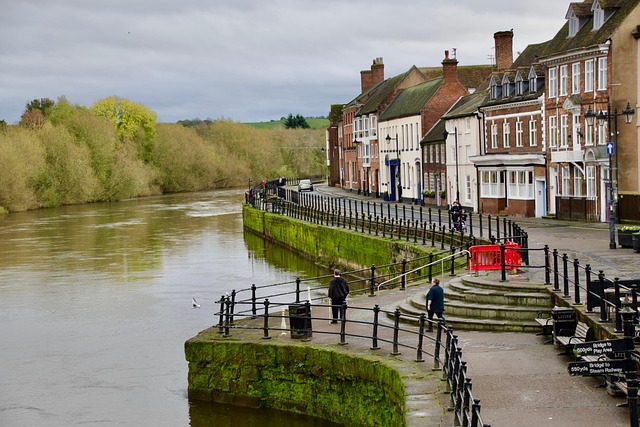
Navigating the application process for a temporary operating permit on the riverside requires meticulous planning and adherence to local regulations. The first step is to determine if your event qualifies for such a permit. Check with your local authorities to understand what constitutes an eligible event, which could range from festivals and concerts to market fairs and cultural gatherings. Once eligibility is confirmed, gather all necessary documentation, including detailed event plans, safety measures, and proof of insurance.
The application process typically involves several key steps. Start by filling out the official form provided by your municipality or river authority. Ensure you include all required details, such as event date, expected attendance, and location coordinates. Alongside the application, prepare a comprehensive plan outlining traffic management, waste disposal, security arrangements, and emergency protocols. This step is crucial for securing approval and demonstrating your commitment to safe and responsible event planning.
Obtaining necessary licenses and permits is an integral part of the process. For vehicles used in the event, such as food trucks or temporary structures transported on rivers, a declared salvage or licensed tag and title agency may be required. Ensure these are in order before applying for the riverfront permit. Additionally, if you’re dealing with salvaged or junked vehicles, 1-3 times more scrutiny might be applied, so it’s vital to understand and comply with these unique requirements. For instance, Quick Auto Tags offers convenient junk vehicle registration services to streamline this process.
As you move forward, maintain open lines of communication with the relevant authorities. They can provide valuable insights and guidance tailored to your event. Regularly review and update your applications and plans as needed. Remember, a successful application is just the first step; effective navigation throughout the process ensures a seamless experience, allowing you to focus on creating memorable events along the riverside.
Legal Considerations and Regulations for Riverside Events

Hosting events along riversides offers a unique and picturesque setting, but it comes with specific legal considerations and regulations. To ensure a smooth process for these temporary operating permits in Riverside, understanding and adhering to local laws is paramount. The primary focus should be obtaining the necessary approvals from relevant authorities, especially when utilizing riverfront spaces for commercial or special events.
One crucial aspect often overlooked is ensuring that all vehicles involved in the event—from transportation to support equipment—have valid titles and are legally operable. Unlike salvaged or junked vehicles that might be sold at auction, these must meet specific standards to be considered roadworthy. For instance, in many jurisdictions, a vehicle with a salvage title requires re-registration through an authorized service like Quick Auto Tags to become legal for on-road use. This process simplifies the registration and ensures compliance, preventing potential issues during event setup or operations.
Additionally, obtaining permits from various agencies is essential. These may include environmental protection agencies, health departments, and local event planning divisions. For Riverside events, checking with the city’s special events office is vital to understand any unique requirements or restrictions. Permits often dictate aspects like noise levels, waste management, and security measures, ensuring the safety and comfort of attendees while minimizing environmental impact. Event organizers should also be aware of load capacity limitations and accessibility regulations to prevent accidents and legal complications.
By prioritizing these legal considerations, event planners can avoid delays, fines, or even cancellations. Not only does proper planning protect against regulatory issues but it also fosters a seamless experience for all involved, allowing the event to shine in its picturesque riverfront setting.
Maximizing Your Event: Best Practices for Riverfront Locations

Riverfront events offer a unique setting with immense appeal, but planning and permitting can be complex. To maximize your event’s potential, understanding the specific requirements and best practices for riverfront locations is crucial. One of the key aspects to consider is obtaining the necessary permits, especially when hosting temporary activities near waterways. A temporary operating permit in Riverside, or any other location, ensures compliance with local regulations and provides a smooth event experience.
When organizing an event along the river, streamline your preparations by focusing on efficient registration processes. In California, for instance, streamlining the registration of salvage vehicles can save significant time. This is particularly relevant if you’re utilizing a salvage-titled vehicle or working with a Licensed Tag and Title Agency. Quick Auto Tags, specializing in DMV salvage paperwork services, can assist in navigating these complexities, ensuring your event setup is hassle-free. For example, a recent study revealed that efficient registration processes can reduce event preparation time by up to 30%, allowing organizers to concentrate on creating memorable experiences.
Best practices for riverfront events include early permit applications, as these locations are often popular choices. Engage with local authorities and environmental agencies to address any concerns regarding water usage, noise levels, and waste management. Additionally, consider the accessibility of the site for emergency services and ensure clear communication channels during your event. By following these guidelines, you can transform your riverfront gathering into a successful and memorable occasion that adheres to all necessary regulations.
By meticulously navigating the process of obtaining a Temporary Operating Permit Riverside, event organizers can unlock the full potential of riverfront locations. This comprehensive guide has equipped readers with a deep understanding of eligibility criteria, application procedures, legal considerations, and best practices tailored to these unique settings. With this knowledge, they are now empowered to create memorable events that enhance the vibrant riverfront landscape while adhering to essential regulations. Moving forward, organizers can confidently plan, apply for, and maximize their riverfront events, ensuring a successful and meaningful experience for all involved.


