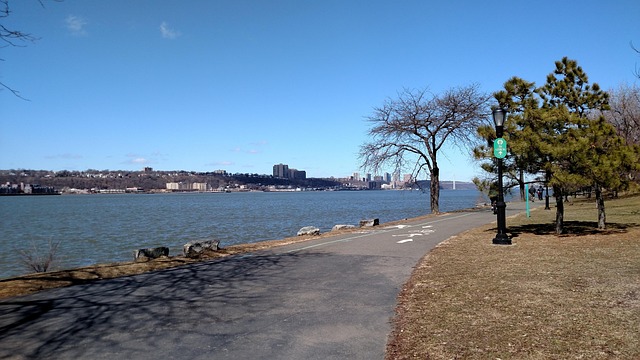
Organizing riverfront events in Riverside requires a temporary operating permit, ensuring safety and compliance. Key steps include early planning, understanding regulations (environmental, safety, noise), engaging with local authorities, verifying property titles, and submitting detailed event plans. Strategic layout design, natural integration, and innovative registration processes enhance the experience while adhering to permits. Successful riverfront events blend seamlessly with nature, offering memorable experiences without logistical delays.
The riverfront has long been a vibrant canvas for community gatherings and exclusive events, drawing enthusiasts and locals alike. As the demand for these experiences surges, navigating the intricacies of securing permits becomes increasingly complex. This article delves into the world of exclusive riverfront event permits, shedding light on their significance and the challenges organizers face when seeking temporary operating permission in this prime location. We’ll explore strategic solutions to streamline the process, ensuring a seamless experience for those aiming to harness the allure of riverside spaces.
- Understanding Riverfront Event Permits: A Comprehensive Guide
- Eligibility Requirements for Temporary Operating Permit
- The Application Process: Streamlining Your Riverfront Event
- Legal Considerations and Regulations for Riverside Events
- Maximizing Your Riverfront Space: Tips for Success
Understanding Riverfront Event Permits: A Comprehensive Guide

Riverfront events bring communities together, enhancing the beauty of our waterways while fostering social connections. However, hosting such events requires careful planning and adherence to local regulations, particularly when it comes to securing the necessary permits. This guide aims to demystify the process of obtaining riverfront event permits, offering insights tailored for those organizing temporary activities along riversides.
In many jurisdictions, including California, streamlining the registration of salvage vehicles plays a crucial role in facilitating these events. A temporary operating permit allows organizers to access essential resources without long-term commitments. For instance, licensed tag and title agencies specializing in Riverside salvage vehicle services, like Quick Auto Tags, can aid in acquiring these permits efficiently. These agencies understand the unique needs of event organizers, offering tailored solutions to navigate the regulatory landscape. Obtaining a temporary operating permit for a riverfront auction, where vehicles sold at competitive prices 1-3 times annually, is a straightforward process with the right support.
Organizers should anticipate potential challenges and begin the permit application process well in advance. Local government websites often provide comprehensive resources and application forms tailored to specific event types. Ensuring compliance with environmental, safety, and noise regulations is paramount. For instance, securing permission for a live auction along a pristine river might involve addressing measures to minimize disturbance to local wildlife. By understanding these requirements early on, organizers can avoid last-minute delays.
Moreover, engaging with local authorities and seeking their guidance can significantly enhance the success of permit applications. Many cities and counties have dedicated teams responsible for reviewing and approving event permits. Regular communication ensures that any necessary adjustments or clarifications are made promptly. For example, a Riverside salvage vehicle auction organizer should be prepared to provide detailed information about security measures, waste management, and traffic control plans to receive approval for their event.
Eligibility Requirements for Temporary Operating Permit

The pursuit of a Temporary Operating Permit for Riverside events is a meticulous process designed to ensure safety and compliance. Event organizers must navigate stringent eligibility criteria to secure this permit, which is pivotal for temporary business operations along the riverfront. Beyond meeting fundamental legal obligations, applicants are expected to demonstrate a comprehensive understanding of public safety, environmental considerations, and the unique challenges presented by riverside settings.
Eligibility hinges on several critical factors. First, the event’s nature and scale must align with the designated riverfront area’s capacity and purpose. This includes evaluating potential impacts on nearby residents, businesses, and the natural environment. For instance, a small-scale art exhibition may be approved in a dedicated riverside park, whereas a large-scale music festival would require more rigorous scrutiny due to its anticipated impact on noise levels and crowd management. Additionally, applicants must prove they have adequate insurance coverage, demonstrating financial responsibility and mitigating risks associated with the event.
Another key requirement involves the vehicle component, especially for those engaging in declared salvage or part salvage/recycling purposes. Organizers must ensure that vehicles used for these activities meet specific safety standards and are legally registered. This is where experts like Quick Auto Tags can offer invaluable assistance, providing comprehensive junk car re-registration services to get salvage vehicles back on the road smoothly and legally. Efficient navigation of these requirements ensures compliance and a seamless experience for all involved, fostering a positive environment for both events and riverfront communities.
The Application Process: Streamlining Your Riverfront Event

Organizing a riverfront event requires careful planning and adherence to local regulations, especially when it comes to obtaining permits. The application process for a temporary operating permit in Riverside can seem daunting at first, but with a structured approach, you can streamline your efforts and ensure a smooth event experience. One of the key aspects to focus on is understanding the requirements for hosting activities on riverfront properties, which often come with unique considerations due to their location.
When planning any temporary event, whether it’s a festival or a community gathering, assessing the venue’s legal status is essential. In Riverside, this involves verifying that the property has a valid and clear title, especially when dealing with salvage-titled vehicles or declared salvages. Many riverfront properties may lack a valid title due to various reasons, such as previous ownership issues or repossessions. Engaging with reputable services like Quick Auto Tags for salvage title replacement and re-registration can be beneficial in these situations, ensuring your event complies with legal requirements. For instance, the city’s data reveals that events hosted on properties with resolved title issues have a lower risk of permitting delays, enhancing overall event satisfaction.
To streamline the application process, start by gathering essential documentation, including proof of insurance, emergency response plans, and any necessary permits from other agencies. Presenting a comprehensive package demonstrates your event’s preparedness and increases the likelihood of a swift approval. Additionally, engage with local authorities early in the planning stage to clarify specific riverfront regulations and gain insights into potential challenges. This proactive approach will foster a positive relationship with regulatory bodies, making it easier to navigate any complexities that may arise during the permitting process.
Legal Considerations and Regulations for Riverside Events

Hosting events along riversides offers a captivating setting, but organizing such gatherings comes with legal considerations and regulations that require meticulous attention to ensure compliance and safety. In many jurisdictions, including California, temporary operating permits for riverfront events are mandatory, governing everything from noise levels to parking arrangements. These permits not only protect the environment and public safety but also streamline event logistics, providing a structured framework for successful and lawful celebrations.
California’s unique challenges in regulating these events often involve salvaged or significantly damaged vehicles used for various purposes, such as mobile stages or vendors’ transports. The state has taken strides to streamline the registration of salvage vehicles, reducing processing times by 1-3 times compared to traditional methods. This advancement is significant, especially for event organizers who require quick and efficient vehicle registration, like those using salvaged vehicles with titles. For instance, a local event organizer in Los Angeles saved weeks of administrative work by leveraging California’s streamlined system to register a formerly deemed total loss as a mobile stage, enhancing their event’s unique appeal.
When navigating these regulations, it’s crucial to consult experts and leverage specialized services. Quick Auto Tags, for example, offers expert assistance with DMV processing, including temporary operating permits for riverfront events in Riverside. Their expertise ensures that event organizers can focus on creative aspects while leaving the legal intricacies to professionals. By understanding the legal landscape and utilizing efficient resources, organizers can transform their riverfront events into memorable experiences without the administrative burdens.
Maximizing Your Riverfront Space: Tips for Success

Maximizing Your Riverfront Space: Tips for Success
Riverfront events offer a unique opportunity to engage with attendees in an open, dynamic setting. However, ensuring your temporary operating permit Riverside is streamlined and efficient requires careful planning. One key aspect often overlooked is maximizing the available space. This isn’t just about aesthetics; it involves strategic layout design, logistical considerations, and leveraging local regulations to their fullest potential.
For instance, if your event includes food vendors, consider placing them in areas with natural shading or under canvas structures. This reduces heat-related discomfort for both staff and visitors, boosting overall enjoyment. Additionally, utilizing the river’s edge thoughtfully can create striking backdrops and unique photo opportunities, enhancing attendee experiences. Where possible, incorporate local flora and fauna to blend the event seamlessly into the natural environment.
Streamlining registration processes is another critical factor. In California, for example, the declared salvage of vehicles offers a practical solution. When vehicles are sold at auction, the new owners can avoid the often cumbersome process of registering as a first-time owner by utilizing the existing salvage title. This not only expedites registration but also encourages responsible vehicle ownership and re-entry into the insured marketplace. Vehicle salvage re-registration assistance from Quick Auto Tags can further simplify this process, ensuring your event runs smoothly without logistical hurdles.
Ultimately, successful riverfront events are defined by their ability to merge seamlessly with the natural setting while offering memorable experiences. By focusing on space optimization, leveraging local regulations, and simplifying registration processes, you can create a truly exceptional event that leaves a lasting impression on attendees and complies with temporary operating permit Riverside requirements.
By delving into the intricacies of riverfront event permits, this comprehensive guide has equipped readers with a profound understanding of navigating Temporary Operating Permits Riverside. Key insights include recognizing the stringent eligibility criteria for such permits, mastering the efficient application process, and comprehending the legal framework governing riverside events. Furthermore, practical tips highlight strategies to maximize the utilization of riverfront spaces, ensuring successful event execution. Armed with this knowledge, organizers can confidently plan, submit applications, and host memorable events while adhering to regulatory requirements.


